There is more to modern healthcare spaces than a professional image. As important as clean walls and modern branding are, you must also consider how the space makes your patients feel. Medical appointments can be a source of stress, so the physical environment should instil calmness and encourage confidence in your operation. They should feel comfortable while waiting and protected in confidential conversations.
Technology is an important part of healthcare design, but innovation in design for healthcare spaces also includes improved patient flow, enhanced wayfinding, smarter layouts, flexible treatment spaces future-proofed for advancements, and private reception zones. For healthcare providers interested in improving their clinic, a healthcare-specific design and construction expert like Perfect Practice will ensure your new space supports both daily operations and overall patient experience.
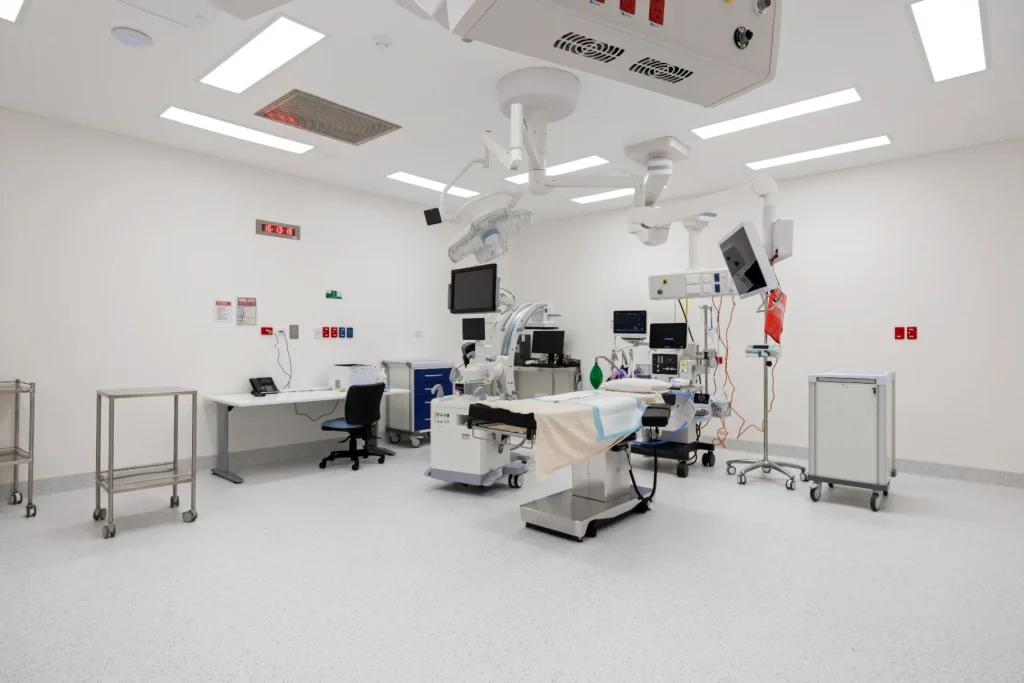
Patient Experience is Now a Key Driver of Healthcare Design
A patient’s opinion starts forming before they meet a practitioner. It begins with how easy it was to find the facility, whether the reception feels calm and organised, how long the wait is, how comfortable the wait is, how private the conversations feel, and the professionalism and cleanliness of the overall space.
Better clinic design is one of the most effective ways to improve patient satisfaction. It supports staff efficiency, deeper patient trust and instils confidence and comfort that lead to return visits, referrals, and a solid online reputation. The right design supports the patient and serves the practice team, too.
Designing Around the Full Patient Journey
Looking for innovative ways to improve patient experience? The ideal healthcare environment revolves around the full patient journey, and reducing friction at each step is the key to providing a premium experience. Track and optimise each patient point of contact.
- Arrival & Entry: Create clear signage at external and internet arrival and entry points to reduce stress.
- Reception & Check-In: A visible reception desk provides immediate guidance and ensures patients feel acknowledged the moment they enter.
- Waiting: A calm waiting area can reduce anxiety by ensuring your patients are physically comfortable, no matter how long the wait.
- Wayfinding: Logical paths and clear signage keep patients flowing in the correct direction and reduce interruptions.
- Treatment: Seamless entry to consultation rooms or treatment rooms ensures patient privacy.
- Payment & Rebooking: Private “check-out” areas ensure confidentiality for clinical or financial conversations.
- Exit Flow: A clear exit route ensures departing patients have a path that doesn’t crowd incoming traffic.
A healthcare-only design team, such as Perfect Practice, will ensure your layout adds value to your patients.
Rethinking Reception and Waiting Areas
The reception and waiting room design contribute to a patient’s first impression. It should be welcoming, but it must also project practicality and operational efficiency. It isn’t about filling space; the design should reduce anxiety.
Optimise your front-of-house by creating a visible and private reception point and a simple check-in process, providing comfortable seating, and an accessible space for patients with wheelchairs, or other mobility aids, prams, or support staff. Consider acoustic sound and take steps to dampen background chatter and echo. Provide clear communication about wait times using digital boards and install hand hygiene points for visitors. As for the material and finishes, always opt for non-porous, easy-to-clean, durable finishes.
If your patients feel exposed, unsure, or forgotten, their frustration will grow.
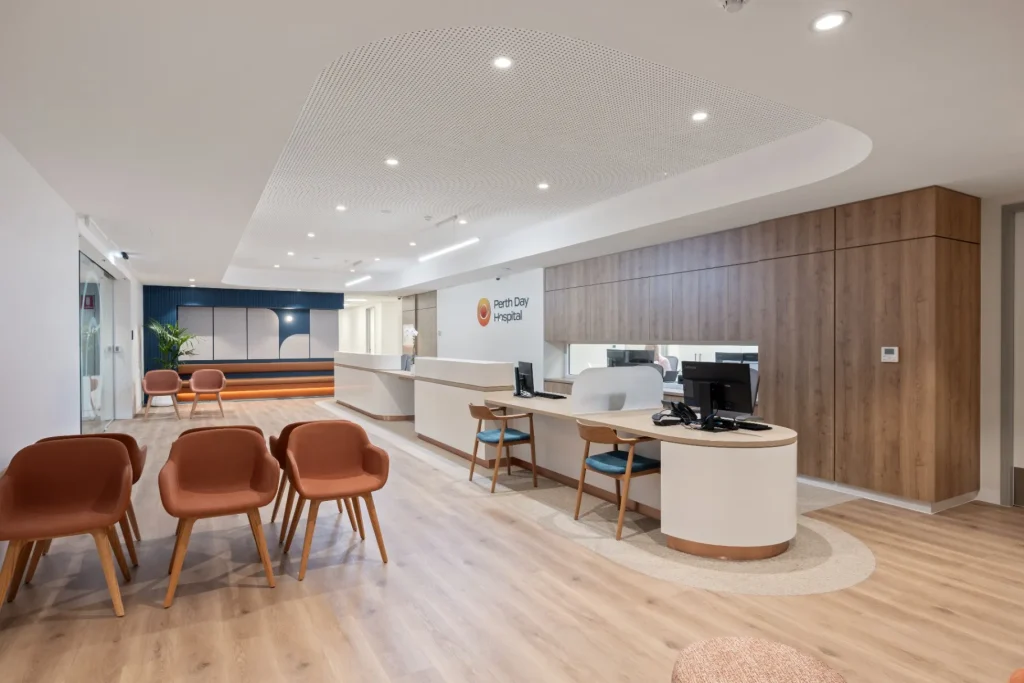
Smarter Wayfinding for Modern Healthcare Facilities
Wayfinding is more than just signage; it should also encompass entry location, reception visibility, lighting cues, digital directions for large facilities, room numbering, sightlines, pathways, and consistent language across in-facility signage and appointment reminders. Whether you operate a specialist clinic, a veterinary hospital, a day hospital, a licensed healthcare facility, a medical centre, or a dental practice, wayfinding is a must.
Well-designed wayfinding benefits the patient by reducing anxiety and confusion and provides an organised first impression. It also benefits both patients by preventing late arrivals and staff and patient interruptions.
Creating Calm, Private and Trust-Building Clinical Environments
Patients should feel safe, secure, and respected when discussing treatment plans, symptoms, costs, diagnoses, or any other personal information. Ensure your layout incorporates the following:
- Acoustic privacy will prevent carrying voices between rooms.
- Visual privacy will shield exam areas from doors and hallways.
- Private consultation rooms facilitate confidentiality and calm discussions.
- Well-positioned counters can reduce anxiety around billing conversations.
- Addressing clinical noise should dampen the sound of alarms and medical machinery from other patients.
- Maximising natural lighting can improve mood.
- Opting for warm, professional interiors like earth colour palettes and biophilic design can provide comfort.
- Maintain a spotless environment by choosing durable, easy-to-clean materials.
- Touchless taps and floor-to-wall capping are musts for infection-control considerations.
Calm design doesn’t need to compromise your operation. Perfect Practice’s healthcare-focused approach can balance practical requirements and design warmth.
How Design Innovation Improves Patient Flow and Staff Workflow
Design innovation is about improving the facility’s operational efficiency. Enhance your layout to reduce bottlenecks in busy hallways and intersections, improve check-in and checkout efficiency, create clear zones between clinical and public areas, improve storage locations so consumables and PPE are stored at the point of use and enhance staff flow to reduce fatigue. Likewise, improving your layout will lead to a smoother, faster turnover between appointments.
Patients don’t need to see your back-of-house organisation to feel the calm and efficiency that contributes to professionalism. When a facility works well for the team, the patients feel it in the calm, quick, and professional experience.
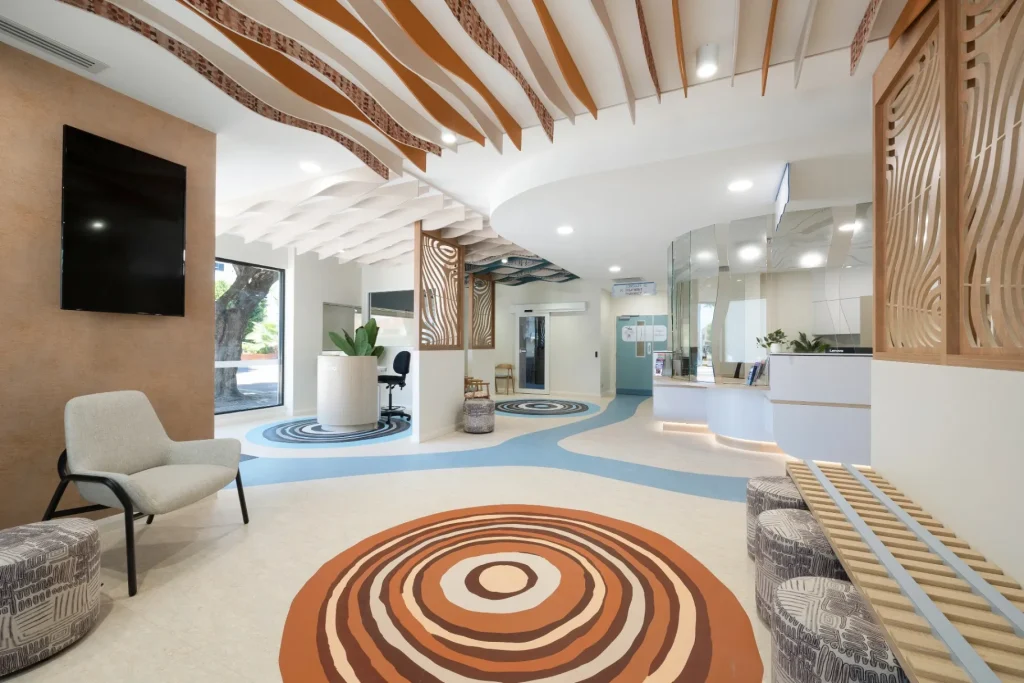
Beyond Clinic Design: Future-Ready Healthcare Facility Design
As your practice grows, your design challenges do, too. This is particularly true for larger medical centres, dental practices with multiple surgeries, veterinary hospitals, day hospitals, specialist facilities, and licensed healthcare facilities, as there are more staff, services, patients, and technology, which come with more compliance requirements.
Future-proof your practice by considering telehealth rooms, flexible treatment spaces to accommodate new equipment or advancements, digital check-ins for ease, larger pathways, infection control, staff-only zones, accessibility, recovery areas, compliance, and future expansion. No matter the facility or its size, you should be future-ready.
Sector-Specific Strategies to Improve Patient Experience
Day Hospital Design and Licensed Healthcare Facility Design
Guarantee patient dignity by centring recovery pathways and ensuring privacy before and after procedures. Build in infection-control barriers, opt for compliance-led planning, and consider safe circulation for public and clinical traffic. Consider the importance of staff visibility.
Veterinary Clinics and Animal Hospitals
In veterinary clinic design, a veterinary fitout should minimise inter-species stress with separate cat and dog waiting zones where possible and offer direct-to-room intake for more anxious animals. Consider advanced noise control, sensitive rooms for difficult discussions, and opt for calming colours for soothing spaces and durable, easy-to-clean finishes.
Dental Practices
Dental practice design should focus on reducing patient anxiety, which a dental fitout can achieve by providing waiting areas separate from treatment noise and private treatment rooms for treatment and cost confidentiality. Optimise chair-side workflow efficiency, sterilisation flow, and consider calming, but premium, interiors.
Medical and Specialist Clinics
Prioritise privacy at the reception desk and provide accessible waiting areas, clear consult-room navigation, discreet billing zones, trust-building interior design choices, and telehealth-ready rooms.
Designing Better Healthcare Experiences With Perfect Practice
If you’re looking for a specialist medical fitout, you need an expert in healthcare design Australia to deliver specialised expertise, turn-key delivery, enhanced patient flow in healthcare, compliance awareness, patient-centred planning, workflow-led layouts, healthcare waiting area design, and future-ready healthcare spaces.
Are you planning a refit or new build clinic, medical centre, or healthcare facility? Perfect Practice offers reliable medical fitout services to address your specific challenges and enhance patient experience and outcomes.