The next wave of healthcare is not being shaped only inside hospitals.
It is emerging in longevity clinics, recovery studios, preventative health spaces, and wellness-led medical environments, places where care is elective, ongoing, and increasingly embedded in daily life.
As healthcare shifts toward proactive, personalised, and lifestyle-driven models, the role of the physical environment is changing with it. Space is no longer just a container for services. It becomes part of the product.
It now directly influences utilisation, pricing, brand perception, retention, and overall commercial performance. From a healthcare design and delivery perspective, this requires a broader lens, one that balances compliance and clinical function with experience, adaptability, and long-term value.
Experience Drives Commercial Performance
In discretionary healthcare, people choose where they go, how often they return, and how much they invest in their wellbeing. The environment plays a measurable role in those decisions.
Spaces that feel calm, intuitive, and credible tend to drive stronger engagement. People stay longer, return more frequently, and are more open to additional services. This isn’t about aesthetics alone. It’s about aligning the space with a more informed user, someone actively investing in prevention, recovery, optimisation, and longevity.
Well-resolved environments support repeat visitation, increased spend per visit, and stronger brand positioning in a competitive wellness and healthcare market.
Planning for Time-Based, Multi-Service Healthcare models
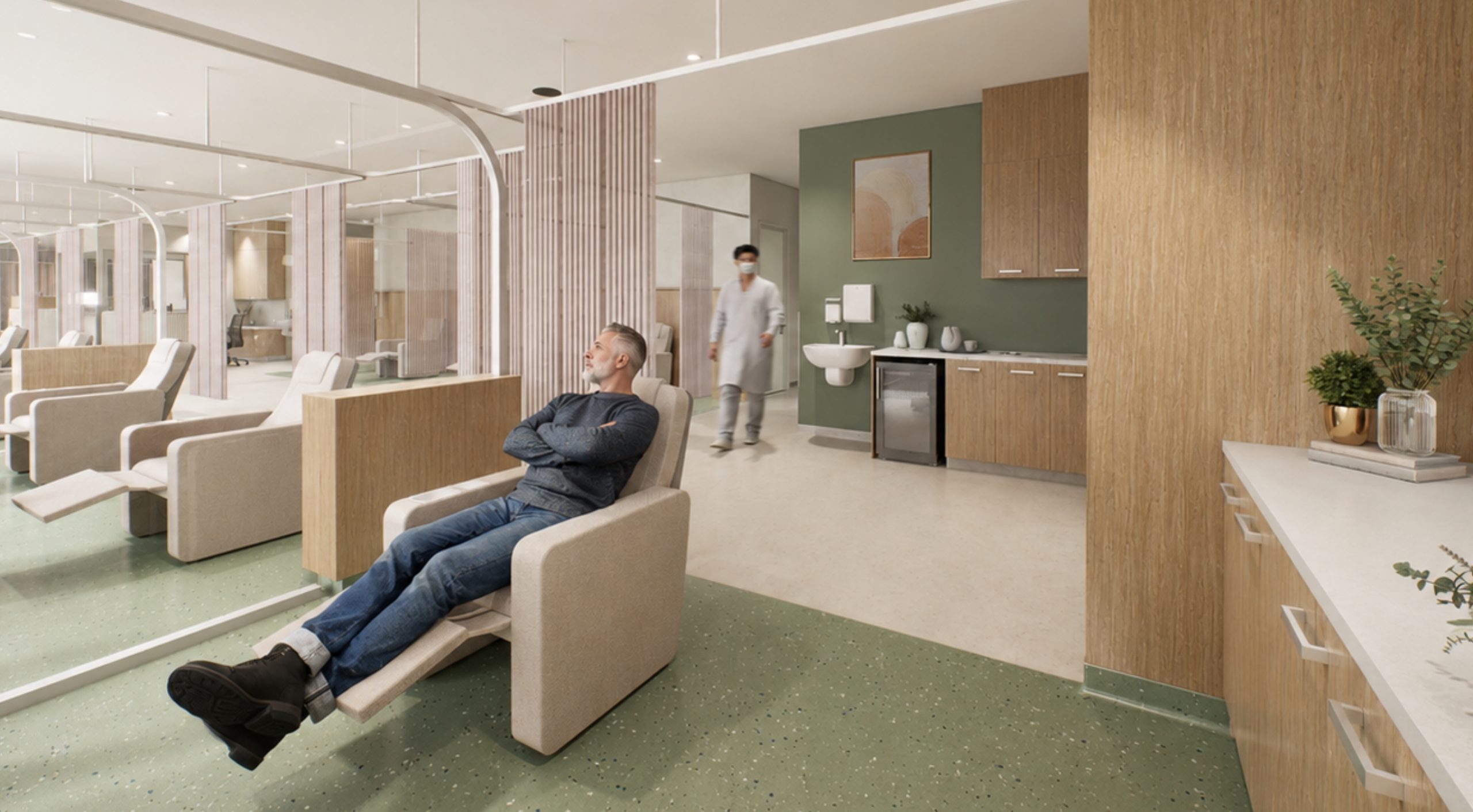
Many emerging healthcare and biohacking treatments are not built around short consultations. They are time-based experiences like IV infusions, hyperbaric oxygen therapy, red light therapy, compression, diagnostics, and guided recovery.
These often run in parallel, rely on specialised equipment, and require people to spend extended time within the space. This fundamentally shifts planning requirements.
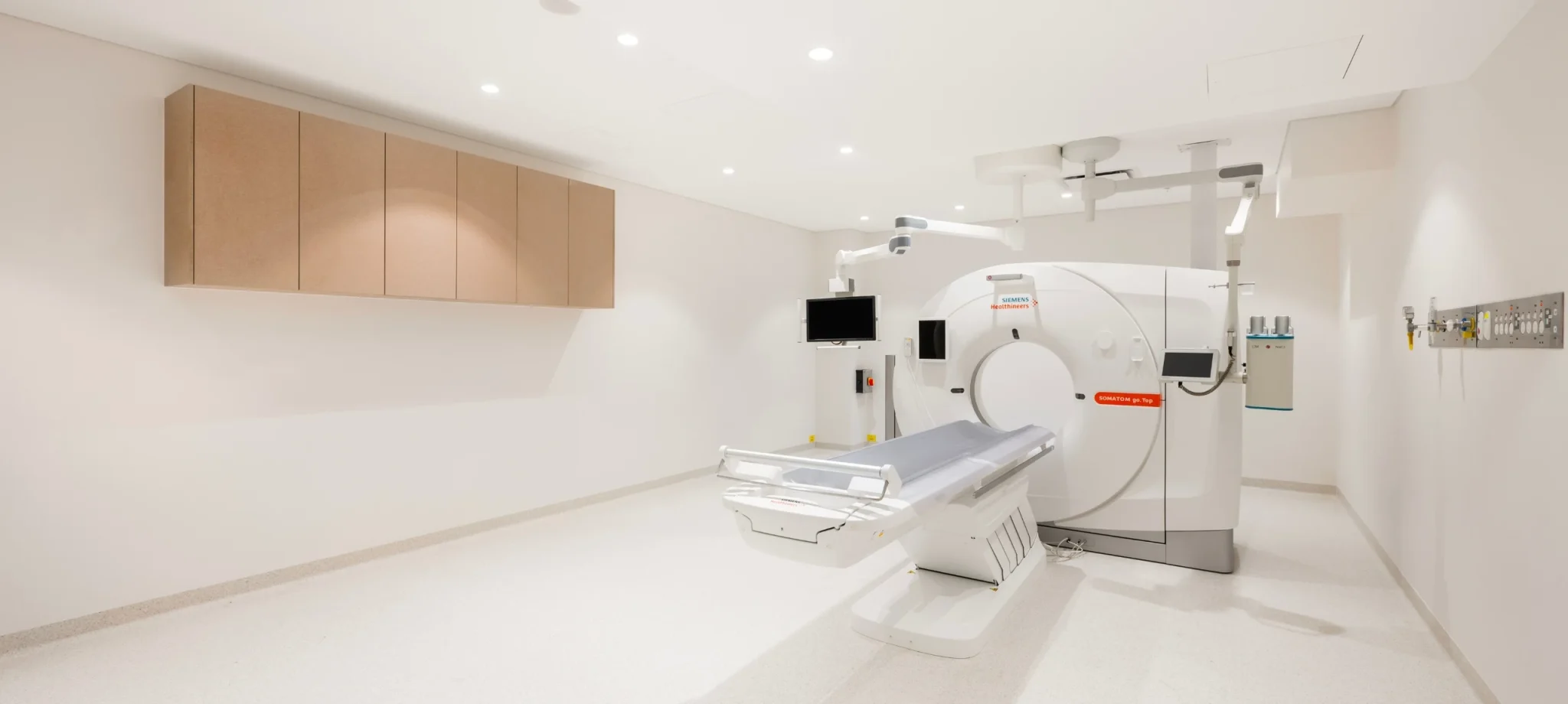
Seating may replace traditional consult rooms in some areas but still requires privacy and acoustic control. Equipment becomes more visible and central to the experience. Circulation needs to feel seamless, not clinical, or transactional.
When these factors are not resolved early, the impact is immediate: bottlenecks, underutilised areas, operational inefficiencies, and a compromised patient experience. Addressing this at design stage is significantly more effective than retrofitting post-Fitout.
Clarity Builds Trust
Today’s healthcare user is informed, selective, and quick to assess credibility.
Design plays a direct role in their judgement. Clear sightlines, intuitive wayfinding, and a sense of openness all contribute to trust. Material selection is equally critical – these spaces need to feel clean and technically capable without becoming cold or overly clinical.
The goal isn’t to make healthcare feel less serious. It’s to make it more accessible, more human, and aligned with how people want to engage with their health.
When people understand the space and feel comfortable within it, they are far more likely to engage with the full-service offering.
Balancing Clinical Credibility with Hospitality-Led Experience
Biohacking and wellness clinics sit between healthcare, hospitality, and lifestyle.
That balance needs to be deliberate.
If a space leans too far into clinical language, it can feel cold and transactional. Push too far into hospitality, and credibility starts to erode. The most effective healthcare environments resolve both:
They support clinical workflows, compliance, hygiene, and equipment integration behind the scenes, while presenting a front-of-house experience that feels welcoming, refined, and human.
This isn’t about softening healthcare. It’s about aligning it with a shift from reactive treatment to proactive care.
Flexibility as Strategy
This sector is evolving quickly. New therapies, technologies, and service models are constantly emerging.
Rigid layouts limit the ability to adapt. Spaces designed with flexibility, modular planning, accessible services, and multi-use treatment areas, are better positioned to evolve without major reinvestment.
From a healthcare fit out and asset perspective, this is critical. Adaptable environments maintain relevance, support changing operators, and reduce long-term capital expenditure.
Flexibility is no longer a design preference. It’s part of the commercial strategy.
Where Healthcare Design Is Heading
Care is becoming something people integrate into their routines, not something they access only when something goes wrong.
That shift changes what healthcare spaces need to deliver.
They must support clinical performance, operational efficiency, multiple service models, and a high-quality patient experience, while remaining adaptable over time.
As biohacking, preventative health, and longevity clinics continue to grow, the built environment will play an increasingly important role in how these services are experienced, valued, and scaled.
Healthcare space is no longer passive.
When designed well, it becomes a strategic part of the business model.
Kercia Souza – Interior Designer, Perfect Practice
Kercia is an Interior Designer specialising in healthcare environments that balance operational efficiency, compliance, and considered design. Her background spans architecture, interior design, and project management, a combination that allows her to approach each project from both a design and delivery perspective. Kercia has worked across residential, commercial, hospitality, and healthcare sectors, and in recent years has focused exclusively on medical centres, specialist clinics, allied health facilities, and day hospitals. She holds a Bachelor of Architecture, a Postgraduate Qualification in Interior Design, and an Advanced Diploma of Project Management, and brings international project delivery experience to every engagement. Her approach centres on creating healthcare interiors with genuine architectural depth where spatial planning, materiality, and detail work together to support both the clinical needs of providers and the wellbeing of the people who use the space.
Kercia Souza on LinkedIn