
THE COMMERCIAL QUESTION
What will this clinic do for the business once the doors open?
A healthcare clinic’s return is shaped well before construction begins.
Decisions about the site, the allocation of clinical and support space, infrastructure, patient and staff flow, and future service requirements determine whether the clinic can achieve its planned capacity, operate efficiently and introduce new services. Their effect may not become apparent until the clinic is operating, but they can influence return over the life of the business case.
Many of these decisions are made during site selection and early planning, before a lease or purchase commitment is made and before the design is resolved. For operators, developers and investors, the opportunity to protect long-term return therefore begins while the project still has options.
ROI is shaped during site selection
A commercially attractive location does not automatically make a site suitable for the intended clinic. The referral market, visibility, access and parking may all be favourable, but constraints within the building can still compromise capacity, staffing, equipment or future services.
A site can accommodate the clinical spaces and equipment shown on an initial plan and still produce a clinic that is difficult or expensive to operate. Once a lease or purchase is agreed, the options narrow and the operator may face redesign, landlord negotiations, unplanned capital expenditure or changes to the service model.
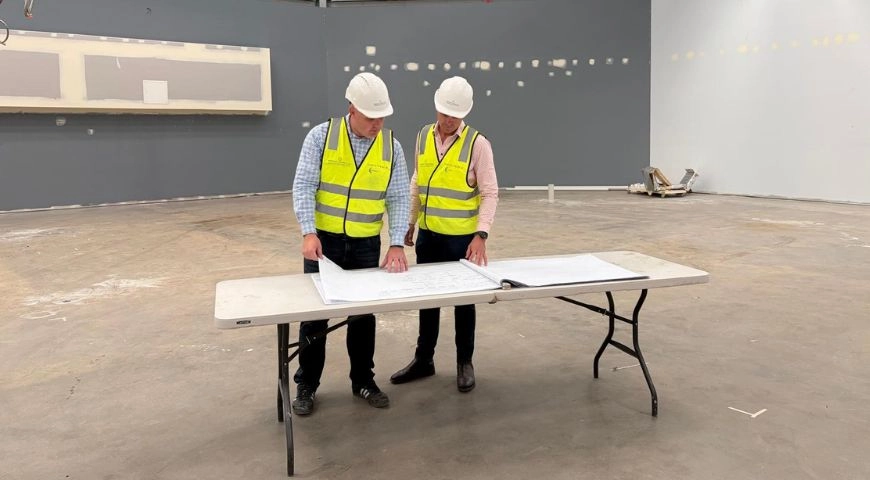
Early site assessment and project due diligence test whether the site, building and delivery requirements can support the assumptions in the business case before a lease or purchase commitment is made.
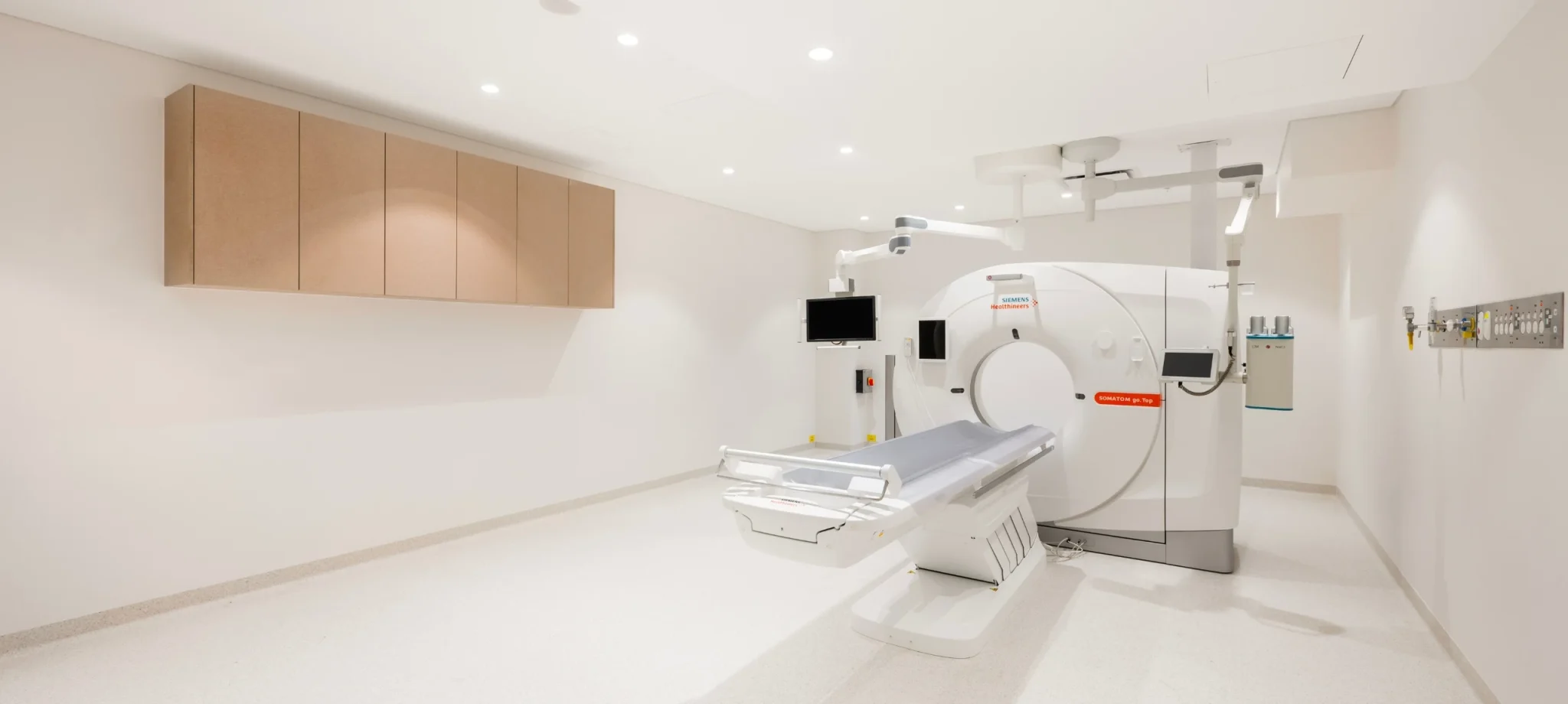
Medical imaging is a clear example. Equipment, infrastructure and patient pathways can materially change whether a site is suitable. Other clinic types have different requirements, but the principle is the same: the building must support the proposed business and clinical model.
Capacity depends on how the whole clinic works
Capacity is often assessed by looking at the primary clinical spaces or equipment used to deliver care. In a consulting clinic, that may be consultation or treatment rooms. In medical imaging, it may be MRI or CT scanners, ultrasound rooms or X-ray equipment. These are important, but none determines capacity in isolation.
Actual capacity depends on whether patients, staff, equipment, supplies and information can move through the clinic at the required pace. A scanner, procedure room or consultation room may be available but underused because reception, changing, screening, preparation, recovery, cleaning, reporting or clinical support cannot keep pace.
The constraint is not always at the point where the service is delivered.
Good planning follows the full patient journey, from arrival and check-in through consultation, treatment, recovery and discharge. It also considers staff workflow, what must happen between patients and the support capacity required to sustain the planned level of activity.
The risk of opening late begins before construction
Project delays are often treated as construction problems. In healthcare, many originate earlier because the approval pathway is unclear, landlord works do not align with the program or an important site constraint emerges after design has progressed. Long-lead equipment, infrastructure upgrades and commissioning requirements may also have been overlooked when the opening date was set.
For the operator, the impact extends beyond additional project costs. Each week of delay can mean lost appointments, deferred services and equipment that is financed but not yet generating income. Recruitment, marketing, lease commencement and the closure of an existing clinic may also have been planned around the same date.
A credible opening date needs to account for the full sequence of approvals, landlord works, equipment procurement, infrastructure upgrades, design, construction, commissioning and operational readiness. Testing these dependencies early gives the operator and project team a clearer view of the risks and whether the proposed date is achievable.
The same planning also helps the developer and landlord. Confirming the intended use, base building works, infrastructure responsibilities, access and approvals supports clearer lease negotiations and a more reliable delivery program.
Early planning cannot eliminate every potential delay, but it can identify the issues most likely to affect the opening date while there is still time to manage them.
The lowest upfront cost may not deliver the best return
Controlling capital cost is essential, but the effect of each saving needs to be considered over the life of the clinic.
Reducing support space may lower construction cost while creating a constraint that limits capacity or increases staffing requirements. A lower-rent site may require substantial infrastructure or landlord works before it can support the service. Deferring infrastructure for a likely future service can make a later expansion more disruptive and expensive.
The opposite is also true. Excess space, unnecessary infrastructure and allowances for unlikely future scenarios can tie up capital without creating a corresponding operational benefit.
Good cost planning distinguishes between expenditure that creates little value and investment that protects capacity, efficiency, compliance or useful future flexibility. That requires the service model, clinic requirements and project cost to be considered together.
Plan now for future demand and broader services
A clinic that works well when it opens may become constrained as demand increases or the service offering broadens. Higher activity can place pressure on reception, waiting, changing, patient preparation, recovery, staff work areas, storage and supporting infrastructure, even when the primary clinical spaces or equipment can accommodate more patients.
Introducing a broader service offering can create different requirements. New services may require additional equipment, infrastructure, approvals, support spaces and patient pathways, and may change how patients and staff move through the wider clinic.
Not every future requirement needs to be provided at opening. The priority is to identify the site, infrastructure and planning decisions that would be difficult, costly or disruptive to change later. Appropriate allowances can then be made for likely requirements, while other investment can wait until the need is established.
Considering future demand and broader services before key decisions are locked in can preserve the clinic’s ability to grow without major disruption or avoidable reinvestment.
What should be clear before major commitments are made?
Before a lease, purchase or major project commitment is made, the operator, investor, developer and project team should understand the issues capable of materially affecting the project:
- Operational capacity: Can the clinic accommodate the planned activity, services and staffing model assumed in the business case?
- Site and infrastructure: Can the building accommodate the service, equipment, patient pathways and infrastructure without unacceptable compromise?
- Project program: Are the approvals, landlord works, procurement, construction, commissioning and opening dates realistic?
- Capital and whole-of-life costs: Have the project, infrastructure and landlord costs required to open the clinic been identified, together with decisions likely to affect ongoing operating costs?
- Responsibilities: Are the obligations of the operator, landlord and project team for base building works, access, approvals and handover clear?
- Future flexibility: Which early decisions could limit capacity, new services or the ability to respond to demand?
- Project exposure: If site, cost or timing assumptions change, what effect could this have on the capital requirement, opening program or planned operations?
Every detail does not need to be resolved at this stage. The priority is to identify anything that could materially change the site decision, capital requirement, planned operations or opening program.
This gives the decision-makers a sound basis for proceeding, renegotiating or deciding that the project should not continue in its current form.
PUTTING IT INTO PRACTICE
The site, infrastructure and clinic plan can either support or constrain the planned services, capacity and operating model over the life of the clinic.
Considering the clinical requirements, site, infrastructure, clinic plan and delivery program together before key decisions are locked in provides a clearer understanding of how project decisions may affect capital requirements, the opening program and long-term operations.
When engaged early, Perfect Practice brings site assessment and project due diligence together with clinic planning, design, cost planning and delivery. The team can coordinate the interfaces between the operator, landlord, consultants, equipment suppliers, authorities and construction team, helping keep the clinical, operational and project requirements aligned from initial planning through opening.

AUTHOR: JOHN O’BRIEN, National Lead, Healthcare Advisory & Partnerships
John has more than 22 years of clinical, operational and commercial experience in healthcare. Clinically trained as a nuclear medicine scientist, he has held senior operational and executive leadership roles within a national medical imaging group. His experience spans clinic operations, new site developments, refurbishments, service expansions and the integration of acquired businesses across a national network.
At Perfect Practice, John works with clients and project teams to bring healthcare projects together, helping translate their objectives and operational requirements into a coordinated pathway from planning through to delivery.
John holds qualifications in Nuclear Medicine and an MBA. Connect with John on LinkedIn