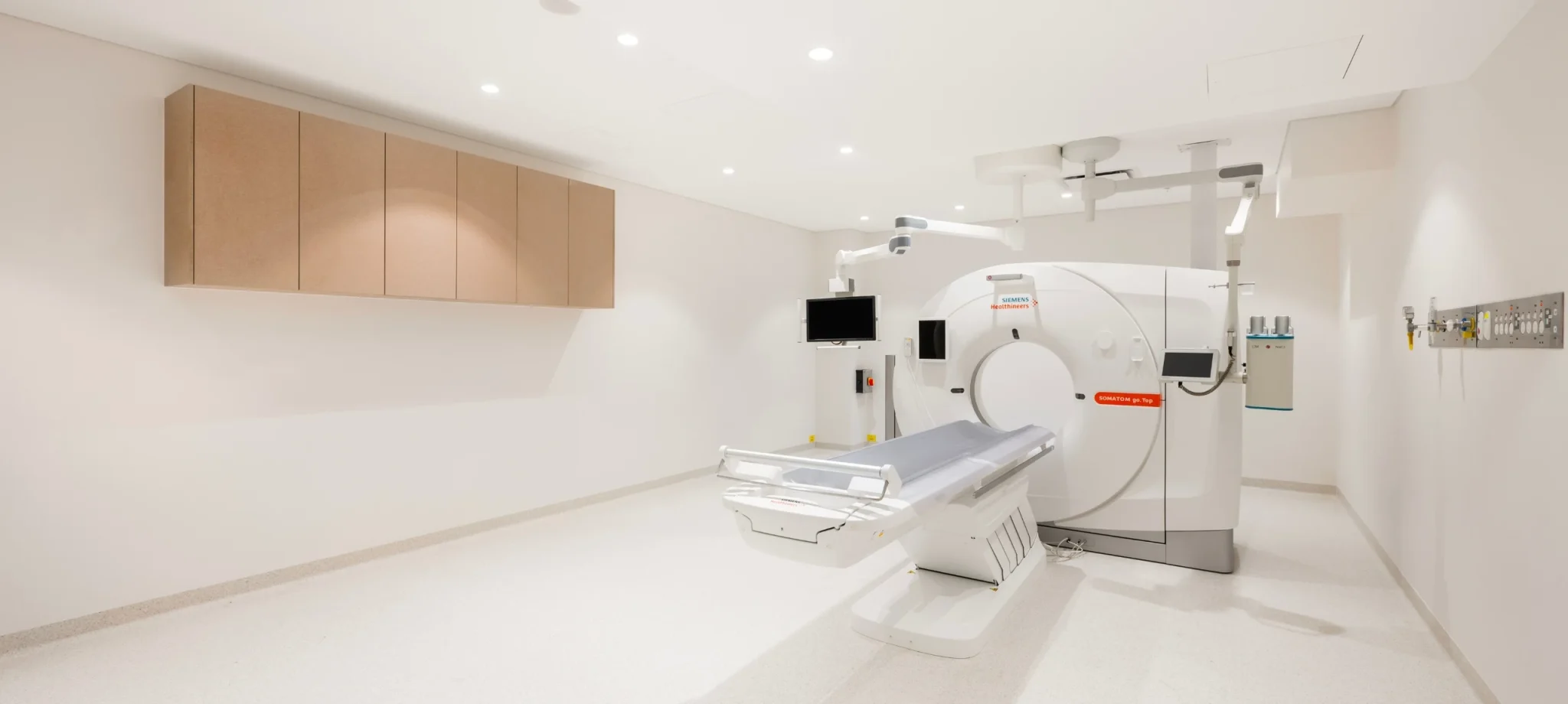
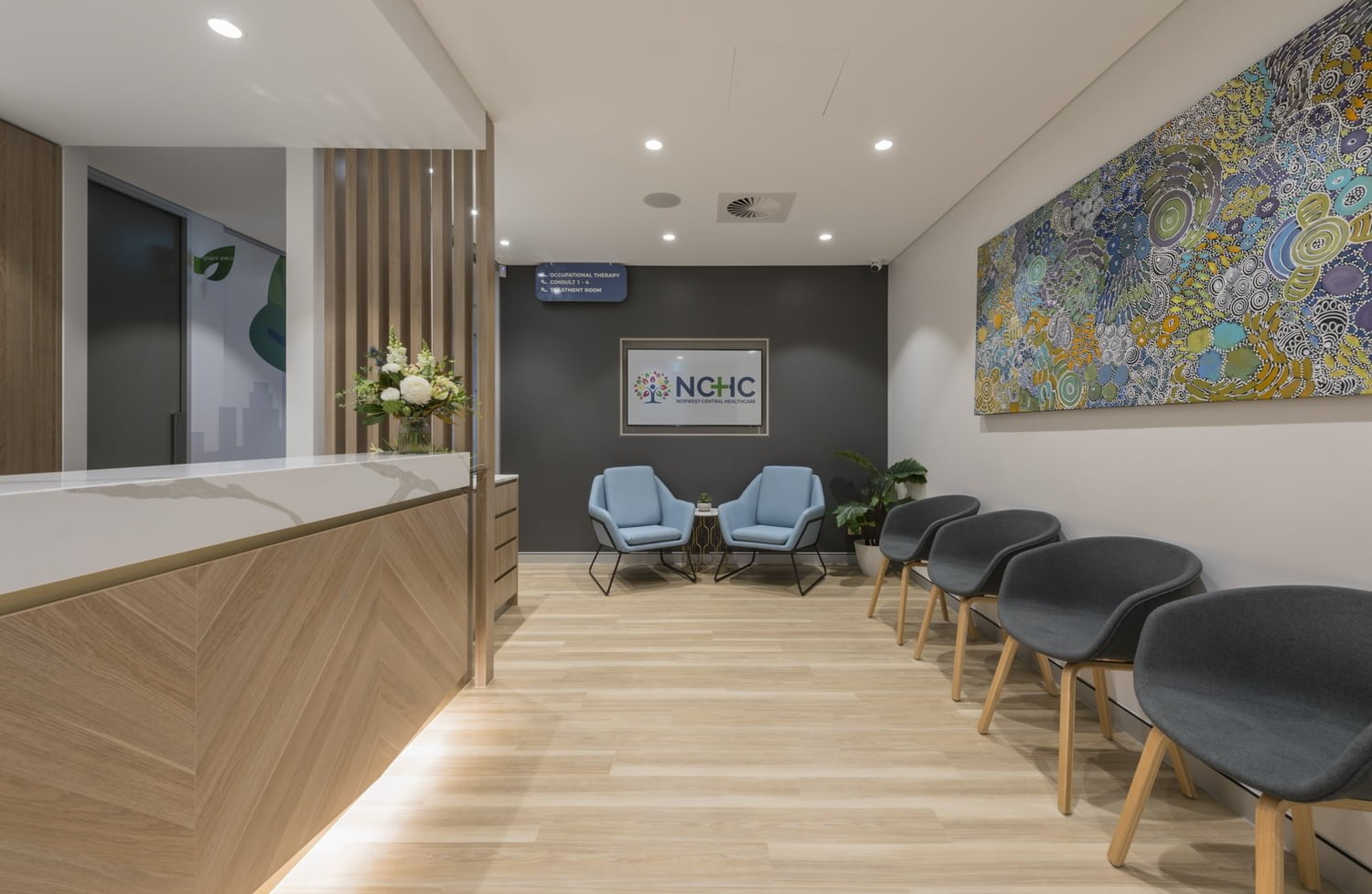
A high-end finish on your reception desk is the pièce de résistance come opening day, but clinic layout is so much more than appearances. The right layout will improve staff efficiency and patient flow, deliver comfort and privacy and seamless daily operations. Whether you’re designing a specialist clinic or an expansive medical centre, Perfect Practice specialises in innovative designs that deliver attractive and operationally-optimised clinics to benefit patients and staff.
Why Layout Matters in Healthcare Spaces
While colours, finishes, and styling count for something, the layout should come first in clinic design ideas.
At Perfect Practice, our designs factor in both patient experience and operational efficiency in healthcare settings. The way you shape your floor plan will shape every operation and human interaction in your practice.
It affects patient comfort, potentially providing calm by delivering intuitive navigation and clear pathways. Clinic interior design ideas must factor in daily tasks, positioning consumables within easy reach and reducing repetitive steps. Patients need privacy to feel confident and comfortable, so clinic interior ideas should ensure confidentiality, whether it’s in the consultation room, checking in, or making a financial transaction.
Accessibility is also a must in medical clinic interior design, whether it’s navigating the waiting area or reaching a treatment room. Spatial distances and smart routing can enhance infection control, while organised reception areas can eliminate check-in bottlenecks and room changeovers. Likewise, flexible designs make room for future growth.
Start with the Patient Journey
A clear patient flow prevents congestion and bottlenecks while reducing patient confusion, so every clinic design layout should begin with the patient journey through the space.
- Provide clear and visible access points at every entry, from the street and car park to the building lobby.
- Deliver an immediate, warm, welcoming reception for a seamless check-in.
- Provide a comfortable, low-stress waiting area separate from clinical corridors.
- Supply direct and private access to consultation or treatment practitioners without having to pass through back-of-house areas.
- Furnish a designated, private space for both payment and rebooking.
- Render a clear exit path to avoid crossovers between inbound and outbound patients.
This is important for healthcare facilities of all sizes, but the larger your centre, the more organised you need to be.
Use Zoning to Organise the Space
Zoning is about organising clinic space by function, providing clear boundaries between clinical workspaces and public-facing areas. Consider the following zones:
- Public area zones include entry, reception, and waiting areas providing unrestricted public access.
- Clinical area zones encompass treatment and consultation rooms, as well as diagnostic suites that provide privacy and hygiene.
- Support area zones cover utilities, storage, IT infrastructure, and sterilisation rooms.
- Staff area zones include all of the back-of-house operations, such as lockers, breakout rooms, administrative offices, and meeting space.
- Patient amenity zones include change rooms, water stations, and accessible bathrooms.
Proper zoning will improve navigation, support staff efficiency, and separate the public from the private areas.
Improve Reception and Waiting Areas
You set the tone for the patient experience in the reception and waiting areas, so these areas are vital.
- The reception desk should be visible from the point of entry so they know precisely where to go.
- There should be a clear check-in and check-out flow that separates the arrivals and departures counters to avoid queuing.
- The computer screens and phone spaces should be positioned out of patients’ earshot and line of sight.
- Create a calming environment and supply comfortable and varied seating that delivers on both physical comfort and personal space.
- Ensure there is adequate and designated space for mobility aids, prams, and carers.
- Clear pathways so patients have an unobstructed path through the practice.
- Implement easy-to-read, high-contrast directional signage at eye level.
- Provide patient amenities that are either clearly marked throughout the patient flow or within their direct view.
If you operate a larger medical facility or health hub, you may need clearer wayfinding and shared waiting areas.
Protect Privacy and Confidentiality
Privacy should be part of the clinic design conversation from the start.
- Acoustic separation is a must to prevent sound transfer and provide privacy.
- Confidential conversations are par for the course in a healthcare setting, and you can achieve this through glass partitions, physical distance, and acoustic baffles.
- Discreet payment and rebooking zones are a must.
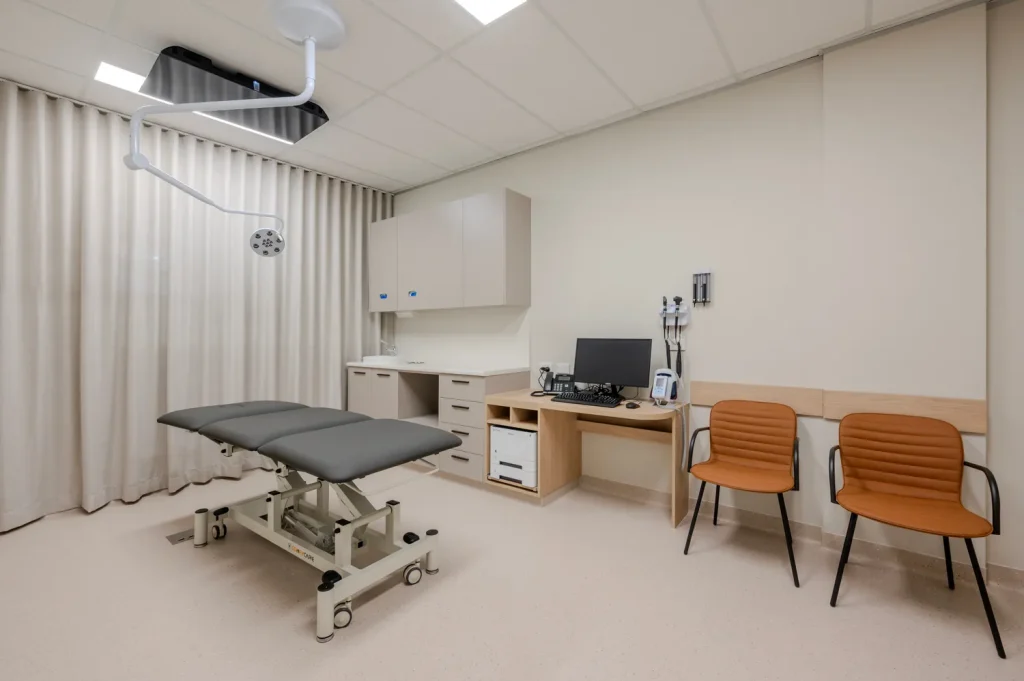
- Visual privacy when patients are in treatment rooms is vital; use privacy screens or curtains for additional privacy or angle exam beds, so patients can’t be seen if a door opens.
- Careful spacing and separation should provide a buffer between waiting rooms and treatment areas.
At Perfect Practice, we take privacy seriously. It’s an essential part of patient care in health settings, and we can help you in creating spaces that make patients more comfortable and operations efficient.
Support Infection Control Through Layout
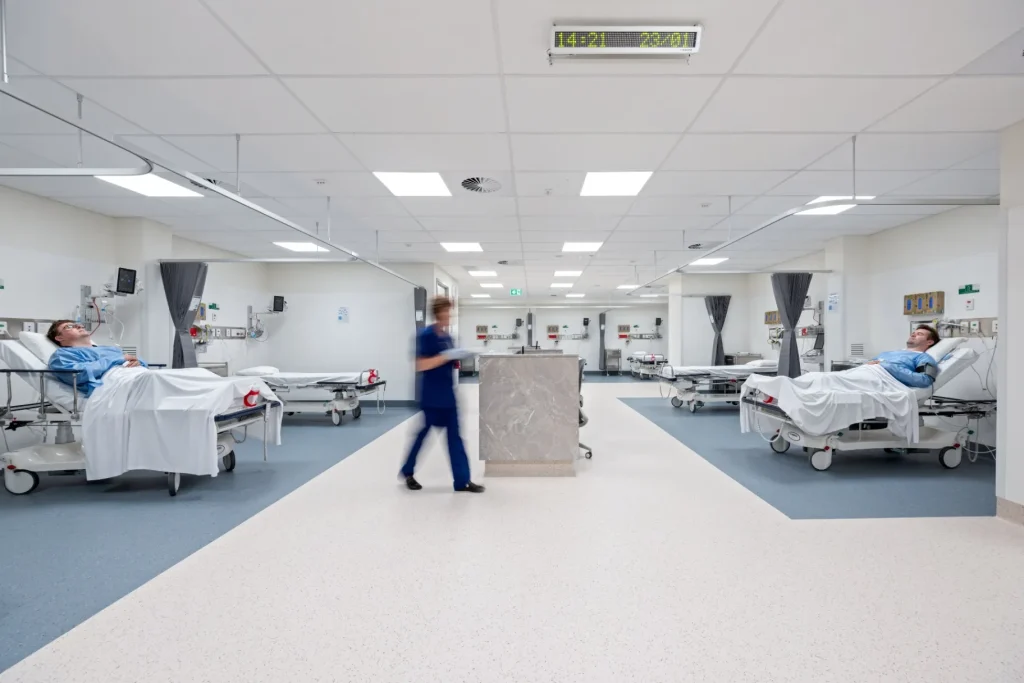
The way patients, staff, supplies, and waste move through your facility, so you should plan for hand hygiene points throughout the facility, create clean and dirty workflow separation, choose easy-to-clean surfaces, designated storage for supplies and PPE, and install sterilisation areas where required. Also consider ventilation, waste management, and reducing cross-traffic. Spatial discipline at this level is particularly important for larger facilities, specialist practices, and procedure-based clinics.
Make the Space Accessible and Inclusive
An accessible design can reduce stress and enhance patient, carer, staff, and visitor experience. Provide step-free access from the entryway right through the practice, install wide paths and corridors to accommodate mobility aids in both directions, ensure all counters and bathrooms are accessible, and address wheelchair turning space. In addition to optimising natural light, blues and greens for calm, natural materials, suitable seating, and space for mobility aids and prams in waiting areas, install clear signage for easy practice navigation.
Design for Staff Workflow
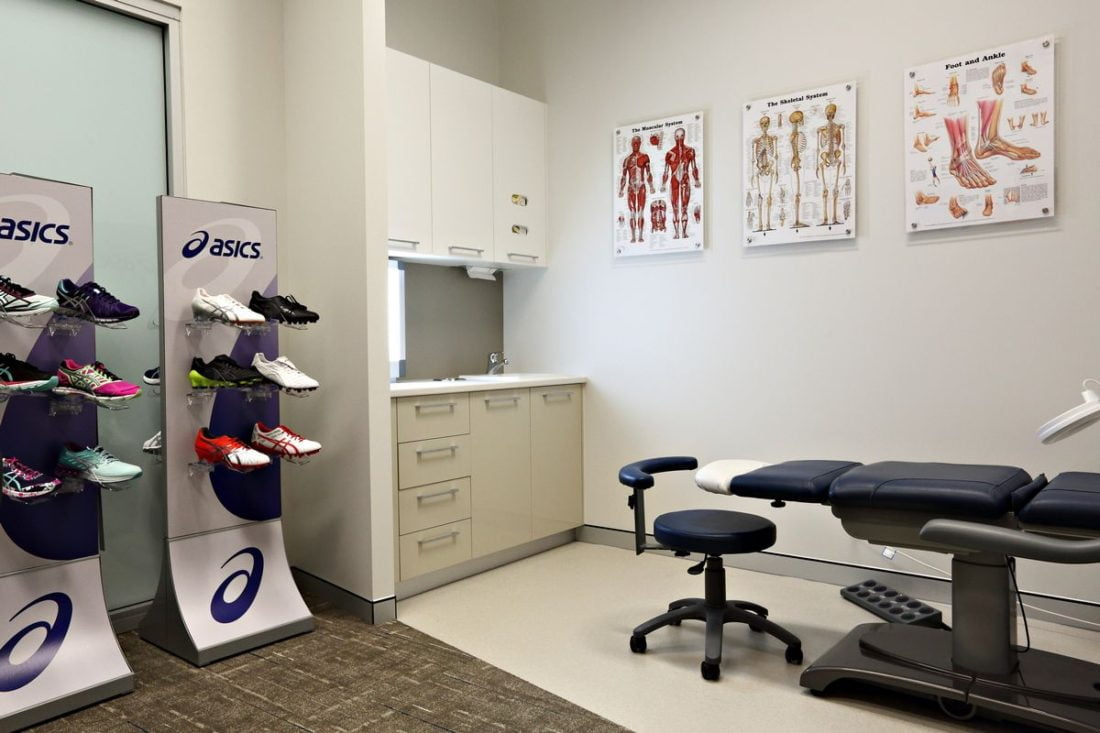
As important as patient experience is, staff workflow is also a crucial aspect of clinic layouts and influences patient experience. As you broach the planning stage, you’ll want to ensure logical room placement, factor in walking distances for both staff and patients, smart storage should provide point of use access, and create ergonomic workspaces for efficient administration zones. There should be dedicated alcoves for mobile medical equipment, an open-plan hub for staff to discuss cases together privately, and staff-only zones so the staff can seamlessly move throughout the practice. Of course, staff should also have a designated breakdown.
It doesn’t matter how great your healthcare space looks; it also has to make life easier for both the staff and your patients.
Plan for Flexibility and Future Growth
Facilitating future growth is a must, so a design you can adapt later without upheaval is key. Consider future services, telehealth, technology, additional storage, an expanding staff, patient growth, flexible consultation rooms, and whole facility expansion.
Perfect Practice is a healthcare design specialist and can help you design a layout to support your current needs while leaving room for future growth.
Clinic Layout Ideas for Different Healthcare Settings
Every healthcare setting is different, so there are different strategies to address unique workflows.
Medical Centres and Health Hubs
Your medical centre should facilitate multiple practitioners alongside clear wayfinding, collaboration spaces, shared waiting areas, and flexible rooms for multi-use.
Medical and GP Practices
In a medical and GP practice, prioritise reception, waiting, and consultation rooms to allow for seamless staff operations and patient comfort. A circular patient flow will prevent bottlenecks and ensure privacy.
Veterinary Practices
In a veterinary fitout, establish acoustic and odour control to reduce animal stress and segregate dog and cat waiting areas if possible. In addition to secure, back-of-house access for the staff, you’ll want durable, non-porous surfaces for easy cleaning.
Specialist Practices
If you operate a specialist practice, consider premium privacy barriers, efficient staff pathways, and adequate space for procedures and diagnostic rooms.
Dental Practices
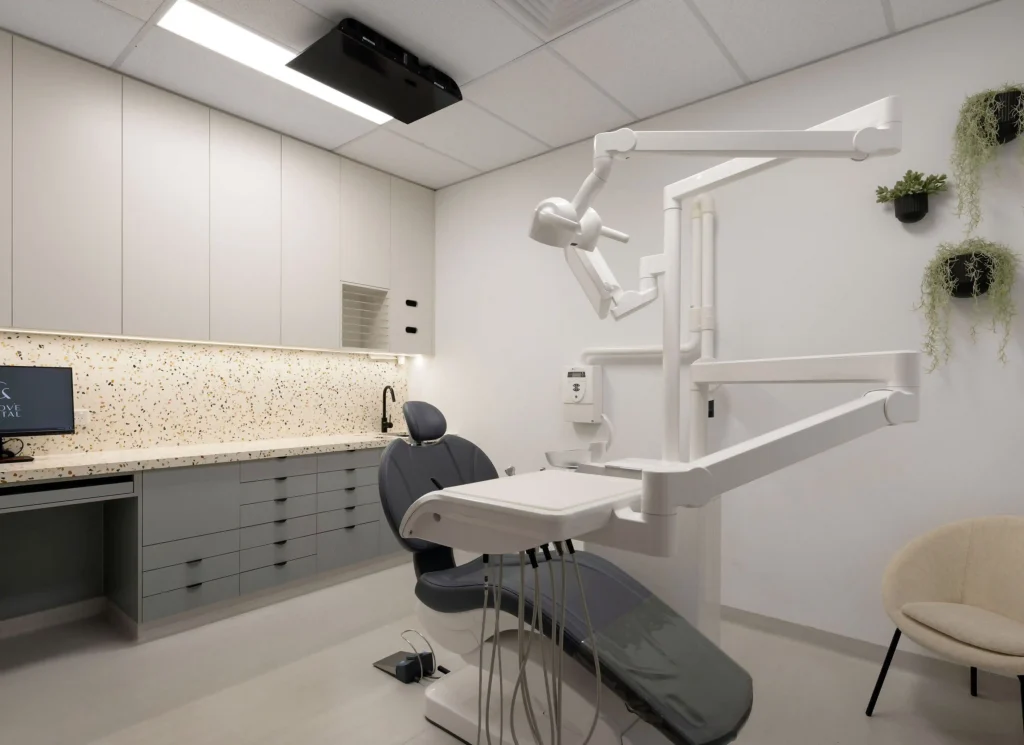
In a dental fitout, ergonomic dental chair placement and efficient sterilisation flows are the primary focus. Dental assistants should have immediate and uninhibited access to equipment, while there should be safeguards ensuring patient privacy.
Humanize 246 words
Common Clinic Layout Mistakes to Avoid
- Don’t think about appearance until you have an efficient workflow design.
- Don’t underestimate storage; think about all the supplies in each treatment room and backup.
- Consider confidentiality by delivering privacy at reception and check out.
- Don’t forget to insulate interior walls to provide privacy for delicate conversations.
- Always plan entrances and exits to avoid bottlenecks.
- Consider staff workflow to avoid excess travel for staff.
- Don’t forget to plan for accessibility with wide doors and halls for mobility aids and prams.
- Don’t treat infection control as an afterthought; you need a private path for waste.
- Always plan for future growth and consider beyond your current needs.
- Don’t choose unsuitable materials. Think easy-to-clean and durable.
How Perfect Practice Creates Healthcare Spaces That Work
There’s more to an efficient clinic than appearance; proper execution of your clinic layout will deliver seamless operation and enhance patient experience.
Perfect Practice is an Australian family-owned, healthcare-specific design and construction firm that supports medical practices, veterinary practices, dental practices, specialist practices, health hubs, and larger healthcare facilities with compliant planning, layout strategy, workflow design, construction, fit-out, and handover.
If you are looking for reliable medical fitout services, Perfect Practice can deliver a cost effective, future proof healthcare design to enhance operational efficiency and incorporate technology integration while benefitting your patients.