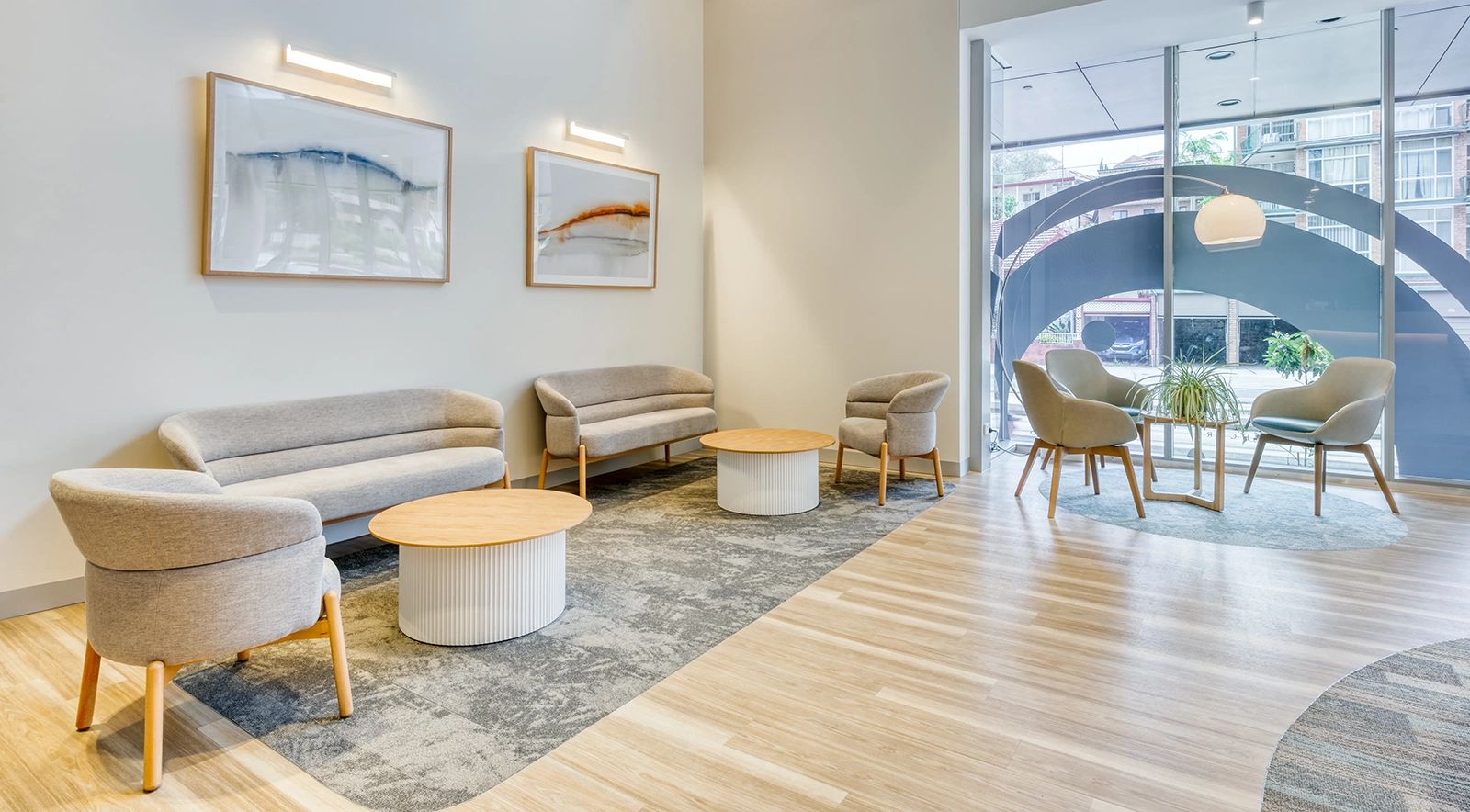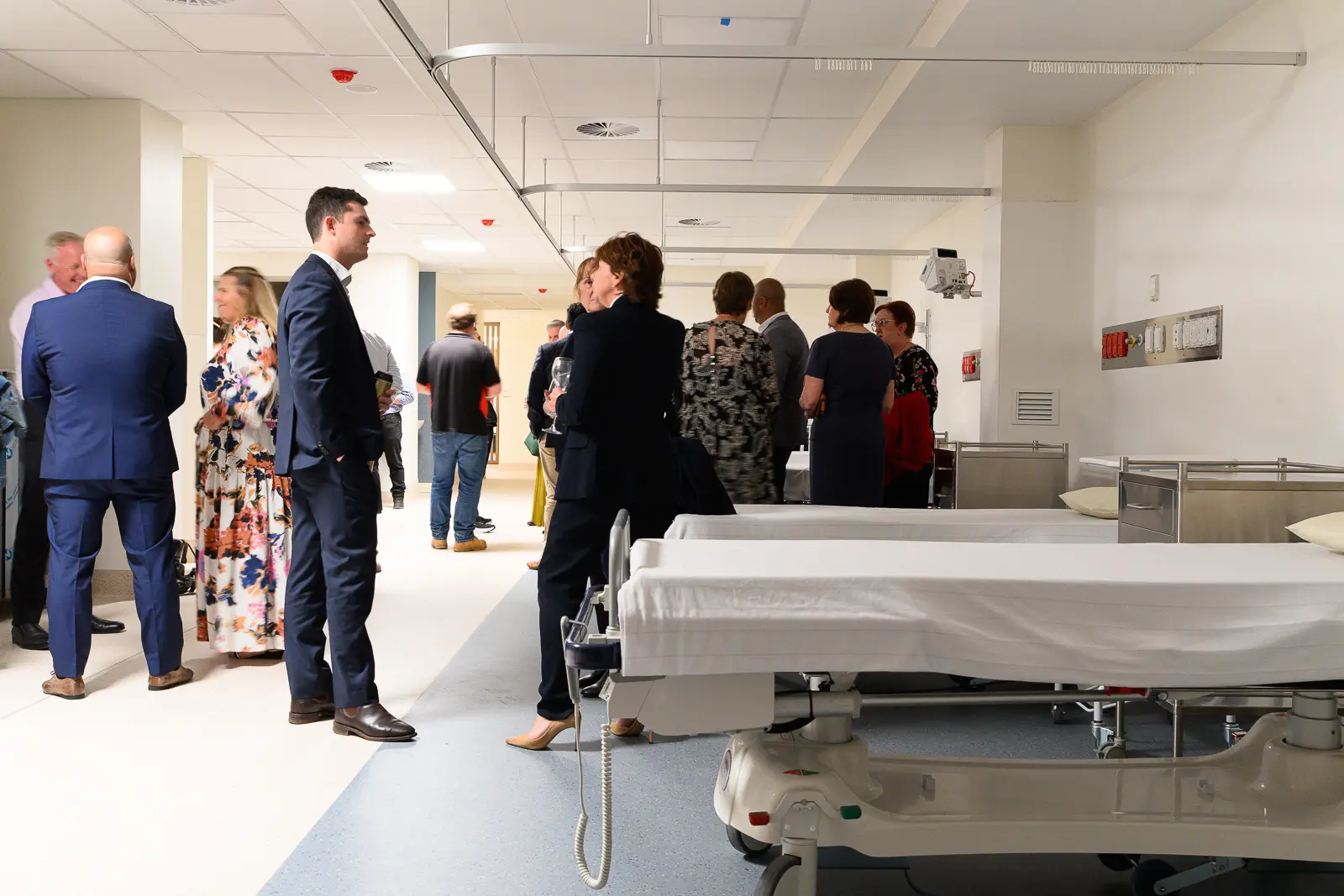

As we move further into 2026, one thing is clear to me – healthcare design in Australia has reached a turning point.
For many years, design was treated as something that happened after the important decisions were made. Today, the most successful healthcare organisations understand that design is not only cosmetic – it is an essential part of the overall business strategy. Design influences patient trust, clinician performance, operational efficiency, and long-term viability.
Drawing on my experience and the trends unfolding across our industry, I recognise that leadership in healthcare design is increasingly defined by foresight, responsibility, and intent.
The Future Belongs to Those Who Design Ahead
In 2026, leadership is no longer about reacting to constraints. It’s about anticipating change.
We’re seeing healthcare operators ask deeper questions than ever before:
- How will this space support clinicians as workforce pressures intensify?
- How do we design environments that reduce stress before a patient even sees a doctor?
- What does flexibility look like when models of care continue to evolve?
Health facilities that are thriving will be those designed with a 10–15year horizon in mind. They are not just compliant – they are adaptable. Leadership in this space means designing spaces that can grow, shift, and respond without costly disruption.
Human-Centred Design Is No Longer Optional
One of the biggest shifts I’ve observed is the growing recognition that healthcare environments must support people, not just processes.
In 2026, the conversation has moved beyond square metres and room counts. We now talk openly about:
- Clinician wellbeing and burnout
- Patient anxiety and perception of care
- The role of space in building trust and confidence
Designing for humans – patients, staff, and practitioners alike – is no longer a “nice to have”. It’s a core leadership responsibility. The future of healthcare design belongs to those who can balance clinical rigour with empathy.
From Fit-Outs to Future-Ready Practices
Another defining change is how healthcare projects are approached.
The era of isolated fit-outs is fading. In its place, we’re seeing an integrated, end-to-end mindset – one where site selection, feasibility, design, construction, and long-term operations are considered as one connected journey.
In 2026, strong leaders understand that fragmented decision-making creates risk. Integrated thinking creates certainty.
Future-ready practices are:
- Designed around real workflows, not assumptions
- Flexible enough to accommodate new services and technologies
- Aligned with brand, culture, and community expectations
This is where leadership in healthcare design truly shows up – in the willingness to take ownership of the whole outcome, not just the handover date.
Setting New Benchmarks in Australia
Setting new benchmarks doesn’t mean chasing trends or copying international models. It means responding thoughtfully to the unique realities of Australian healthcare, our regulations, our communities, our clinicians.
In my view, design leadership in 2026 is about clarity:
- Clarity of purpose
- Clarity of planning
- Clarity of accountability
The practices that will lead the next decade are those designed with intention. Environments that quietly support better care, stronger teams, and sustainable growth.
That’s how I see the future of healthcare design playing out. And it’s a future we all, at Perfect Practice, proud to help shape.